What Is a Battery Pack and How Does It Work?
A battery pack is the energy system behind an electric vehicle, laptop, scooter, or storage cabinet. It combines individual cells, electrical connections, sensors, cooling components, and a battery management system. Together, these parts store energy and deliver controlled power. The cells hold the chemistry. The management system watches voltage, temperature, and charge levels.
In practical terms, charging pushes lithium ions through the electrolyte toward the negative electrode. During use, those ions move back, while electrons travel through the external circuit. That controlled movement powers a motor, screen, or inverter. It sounds simple. It is not. A single pack may contain thousands of tightly matched cells, depending on its size and design.
Industry data shows why this technology matters. The International Energy Agency reported nearly 14 million electric cars sold globally in 2023, representing about 18% of new car sales. This growth increases demand for safer, lighter, and more affordable battery systems. BloombergNEF’s 2024 Lithium-Ion Battery Price Survey reported an average pack price of 115 dollars per kilowatt-hour, a 20% decline from 2023. Prices are falling, but manufacturing quality still differs. That point deserves more attention.
Understanding how a battery pack works also means examining thermal control, mechanical protection, charging limits, and failure monitoring. Engineers test packs under vibration, heat, cold, and repeated charging cycles. These tests reveal weaknesses before customers depend on the product. Still, no design is perfect. Real-world aging, poor charging habits, and extreme temperatures can reduce performance. The following sections explain the pack’s structure, energy flow, safety controls, and practical limitations.
What a Battery Pack Is and What It Contains
What Is a Battery Pack and How Does It Work?
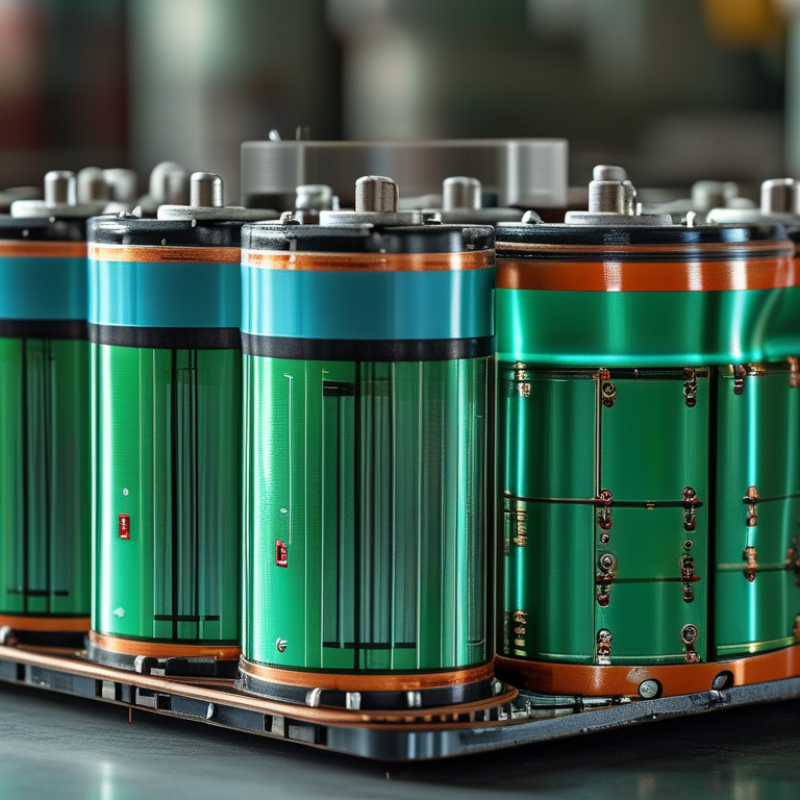
A battery pack is a complete energy unit, not just one battery cell. It combines multiple cells to deliver usable voltage, current, and operating time. A single cell stores energy, while connected cells increase capacity or electrical output. The arrangement depends on the equipment’s needs. Some cells connect in series to raise voltage. Others connect in parallel to extend runtime. Small packs may contain only a few cells.
A typical pack includes cells, busbars, wires, connectors, sensors, and a protective enclosure. It also contains a battery management system, often called a BMS. The BMS monitors voltage, temperature, and charging conditions. It can balance cells and disconnect the pack during unsafe conditions. This component is essential. Without it, cell differences may grow during repeated use. That can reduce performance and create heat.
The enclosure protects internal parts from impact, dust, and moisture. Thermal materials may move heat away from crowded cell groups. Fuses or circuit breakers help limit damage during abnormal current flow. In practical inspection, loose connections often deserve more attention than appearance. A clean case does not prove a healthy pack. A simple diagram can also hide complex wiring. I have found that labels are useful, but they can oversimplify the real design. Reliable evaluation requires checking cell condition, insulation, connectors, and temperature behavior together.
How Individual Cells Combine to Form a Battery Pack
What Is a Battery Pack and How Does It Work?
A battery pack is a group of individual cells connected inside a protected enclosure. Each cell stores electrical energy through controlled chemical reactions. When cells connect in series, their voltages add together. For example, four 3.7-volt cells can create about 14.8 volts. Cells connected in parallel increase capacity and available current instead.
The arrangement must be carefully engineered. Cells should have similar capacity, age, chemistry, and internal resistance. Otherwise, one weaker cell may charge faster or discharge earlier. A battery management system monitors cell voltage, temperature, current, and charging limits. It can disconnect the pack during overheating or abnormal voltage. Busbars, insulation, fuses, and secure connections also reduce electrical and mechanical risks. In practical testing, a pack may appear balanced at first, yet drift after repeated cycles. That detail is easy to underestimate.
Tips: Leave space for heat to escape. Measure each cell before assembly. Use matched cells, not merely identical-looking ones. Keep the enclosure rigid, but avoid crushing the cells. A simple temperature sensor can reveal problems early. Never treat balancing as a repair for damaged cells. Even careful designs need review.
How a Battery Pack Stores and Delivers Electrical Energy
What Is a Battery Pack and How Does It Work?
How a Battery Pack Stores and Delivers Electrical Energy
A battery pack is a group of connected cells that stores energy chemically. Each cell contains electrodes, an electrolyte, and separators that control ion movement. Cells may connect in series, parallel, or both. Series connections raise voltage, while parallel connections increase available capacity and current. This arrangement lets a compact pack deliver power for minutes or several hours.
Inside each cell, chemical reactions create a voltage difference between the terminals. When a device connects to the pack, electrons travel through the external circuit. Ions move inside the cell to maintain the reaction. This controlled path produces useful electrical energy. The pack does not create energy from nothing. It converts stored chemical energy, and some energy becomes heat.
A battery management system monitors voltage, temperature, current, and charging conditions. It can limit output when a cell becomes too hot or reaches an unsafe voltage. During practical testing, uneven cells often reduce usable capacity before the pack appears empty. Small losses add up. Heat matters too. Poor airflow can accelerate aging and reduce performance. The simplified picture has a weakness: real packs change with temperature, load, age, and charging habits. Careful design, measured testing, and suitable protection are essential for reliable operation.
How the Battery Management System Controls Pack Operation
A battery pack combines multiple cells, wiring, sensors, protection devices, and mechanical supports. Its battery management system controls how these parts operate together. The BMS measures cell voltage, pack current, and temperature many times per second. It uses these readings to estimate state of charge and remaining capacity.
When the pack charges, the BMS checks whether any cell reaches its safe voltage limit. It can reduce charging current or open contactors to stop the circuit. During use, it performs similar checks. If current rises too quickly, or a cell becomes too hot, the system can disconnect the load. A pre-charge circuit also limits the initial surge into connected electronics.
Cell balancing keeps voltage differences under control. Passive balancing releases small amounts of energy as heat through resistors. Active balancing moves energy between cells, but it adds complexity and extra failure points. The BMS also records fault events and shares operating data with external control systems.
Measurements are not perfect. A sensor may react slowly, and estimated capacity can drift as cells age. For this reason, reliable systems compare several signals instead of trusting one reading. Regular inspection still matters. Loose connections, damaged insulation, or blocked cooling paths can defeat careful software control. Good BMS design is not only about stopping danger; it is about making cautious decisions under changing conditions.
How Battery Packs Are Designed for Safety and Performance
A battery pack is a managed group of cells that stores and delivers electrical energy. It combines cells, electrical connections, sensors, cooling parts, and a protective enclosure. Cells create voltage and capacity, while the battery management system monitors temperature, current, and state of charge. The International Energy Agency reported that electric car battery demand exceeded 750 GWh in 2023. That scale raises the cost of mistakes.
Safety begins with controlled charging and accurate cell monitoring. The management system can disconnect the pack when voltage, temperature, or current reaches unsafe limits. Engineers also separate cells with insulating materials and design vents for abnormal pressure. Thermal barriers can slow heat transfer between neighboring cells. Testing commonly follows requirements such as IEC 62619, including electrical, mechanical, and thermal abuse evaluations. Small details matter. A loose connection may create resistance, heat, and gradual damage.
Performance depends on more than cell chemistry. Cooling keeps temperatures within a narrow operating range, helping preserve power and service life. Pack designers also balance energy density against repairability, weight, and crash protection. BloombergNEF’s 2024 Battery Price Survey reported an average lithium-ion pack price of 115 dollars per kWh, a 20 percent annual decrease. Lower prices encourage larger packs, but larger packs can increase thermal and structural risks. A computer model may predict safe behavior, yet real vibration, dust, and uneven aging can disagree. Engineers should keep questioning their assumptions.