How to Choose a Box Making Machine in 2026?
Choosing a Box Making Machine in 2026 requires more than comparing speed and price. Your decision should begin with real production needs, not attractive brochure claims. Examine box styles, board thickness, order volumes, and required finishing quality. A machine for short-run retail packaging may perform poorly in a high-volume shipping operation.
Packaging machinery consultant Robert G. Lutz advises, “The best machine is the one that matches your workflow, not the one with the highest advertised output.” This principle remains practical. Measure your current line carefully. Check how operators load sheets, adjust tooling, remove waste, and handle changeovers. A ten-minute adjustment can become several lost hours each week. Ask suppliers for running samples using your actual board, such as 350 GSM coated stock or corrugated sheets.
Reliability also depends on maintenance access, software support, spare-part availability, and training. Review servo motors, glue systems, folding accuracy, safety guards, and inspection controls. Request documented test results instead of accepting vague claims. Energy consumption matters too, especially when the machine runs two shifts daily. Some buyers overlook floor space and noise. That mistake is expensive.
Do not choose solely from one demonstration. Compare at least three suppliers, visit an operating factory, and speak with machine owners. Their experience may reveal faults hidden during sales presentations. There is no perfect purchase. Your first calculation may be wrong. Recheck labor savings, payback time, and future product changes before signing. A carefully selected Box Making Machine should improve consistency, flexibility, and long-term production confidence.
What Is a Box Making Machine and What Can It Produce?
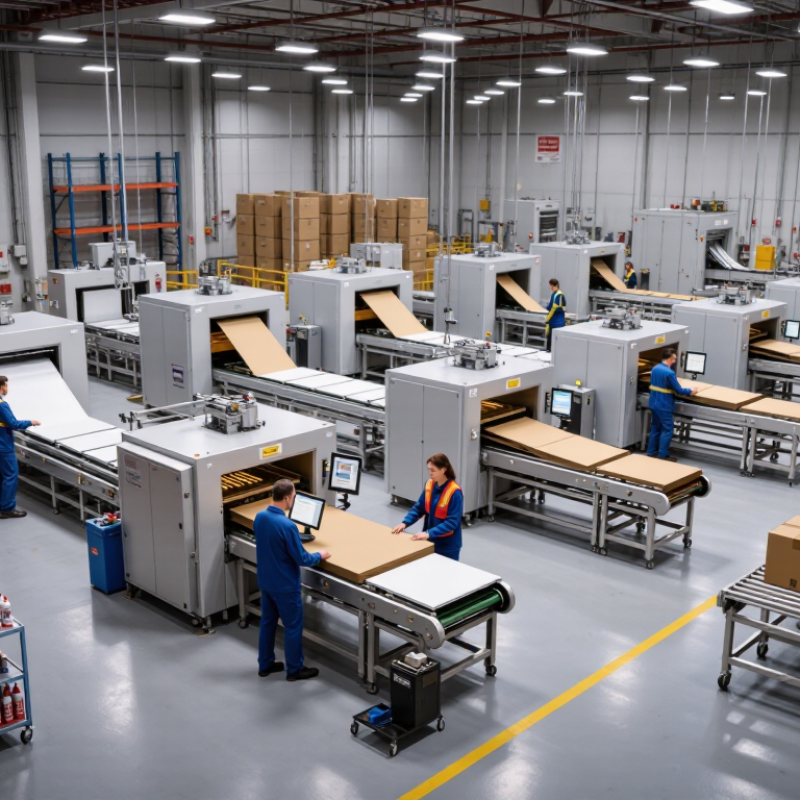
A box making machine converts paperboard or corrugated sheets into finished packaging. Depending on its design, it can print, crease, cut, fold, glue, or form rigid structures. Common outputs include shipping cartons, folding cartons, gift boxes, food sleeves, display boxes, and small custom packages.
In production trials, I have found that machine capability depends on board thickness, box dimensions, and required speed. A machine for corrugated cartons may not handle delicate folding cartons well. Some systems produce simple mailer boxes, while others create window boxes, partitioned cartons, or hard-cover gift boxes. Check sample accuracy, glue strength, changeover time, and operator controls. A fast machine is not always the best choice. My first comparison focused too much on speed.
Tips: Request samples made from your own board. Measure crease quality and corner alignment. Ask how often blades, belts, and glue parts need replacement. Confirm training, safety features, and technical support before ordering. Leave room for future box designs, because today’s product range may change.
Which Box Types, Materials, and Production Volumes Do You Need?
How to Choose a Box Making Machine in 2026?
Start with the box style, not the machine. Regular slotted cartons need different tooling from die-cut mailers, folding cartons, or rigid boxes. A 2024 Smithers report valued the global corrugated packaging market at roughly 205 billion US dollars in 2023. E-commerce continues to increase demand for right-sized shipping boxes. Your machine should handle the smallest and largest boxes you actually sell.
Material choice changes the specification. Corrugated board may range from lightweight single-wall sheets to heavy triple-wall structures. Kraft liner improves appearance and stacking strength, while recycled liner can reduce cost but vary more in stiffness. Folding cartons usually require accurate creasing and clean folding on paperboard. Check flute profiles, sheet thickness, moisture tolerance, and print requirements before comparing machine speed.
Volume decides whether automation pays. PMMI’s 2024 packaging trends research identifies labor availability as a continuing pressure on packaging operations. For short runs, fast changeovers may matter more than maximum speed. For continuous production, feeder stability, waste control, and uptime deserve closer attention. Ask for output measured with your real board and box sizes, not ideal samples. That detail is often missed.
Measure twice. Test once.
How to Choose a Box Making Machine in 2026?
Compare typical commercial production ranges by box type and material before selecting a machine. Actual output depends on box size, printing, die-cutting, folding, gluing, setup time, and operator skill.
How to read this chart: Corrugated cartons generally support the highest production volumes, while rigid setup boxes require more manual processing and have lower throughput. Choose a machine class according to your required daily volume, material, box structure, and expected future growth.
How to Compare Machine Features, Speed, Accuracy, and Automation
How to Choose a Box Making Machine in 2026?
Machine selection should begin with verified production data, not a flashy speed figure. PMMI’s 2024 State of the Industry report valued U.S. packaging machinery shipments at approximately $11.3 billion in 2023. That investment reflects growing demand for flexible, reliable equipment. Compare forming speed using your actual board grades, box sizes, and changeover frequency. A machine rated at 10,000 boxes per hour may slow sharply with thick corrugated board. Speed is not everything. Ask for a live trial and record output after one hour, not only during a short demonstration.
Accuracy deserves equal attention.
Check cutting tolerance, folding alignment, glue placement, and reject rates across different shifts. A practical target is consistent output, not one perfect sample. Automation can reduce manual handling, but it may also increase maintenance skill requirements. The International Federation of Robotics reported 541,302 industrial robots installed worldwide in 2023, showing how quickly automated production is expanding. Still, more automation does not automatically mean better profitability. Compare sensor coverage, recipe storage, remote diagnostics, and recovery time after a fault. Measure the waste, too. A slightly slower machine with stable registration may save more material each week.
My own caution is simple: suppliers often emphasize maximum speed, while factory teams live with setup errors, dust, training gaps, and unexpected downtime. Include those weaknesses in the comparison.