Top Furniture Hardware Trends You Need to Know Now?
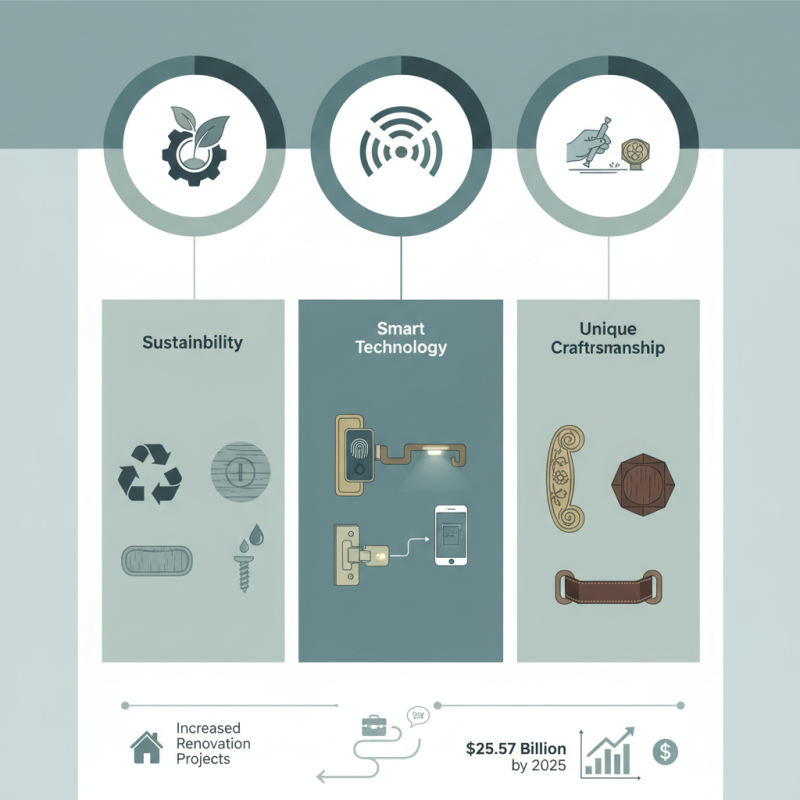
As the Furniture Hardware industry evolves, staying updated on trends is crucial for manufacturers and designers alike. According to a report by Grand View Research, the global furniture hardware market is projected to reach $25.57 billion by 2025, driven by increased renovation projects and rising demand for customized solutions. These figures highlight the importance of understanding current trends, as they can directly impact product development and customer satisfaction.
Expert insights play a vital role in navigating these trends. Jessica Markson, a leading authority in furniture design, states, “Innovation in furniture hardware is key to enhancing functionality and aesthetics.” This statement underscores the need for brands to adapt to new designs and materials while also considering consumer preferences.
As we explore the latest trends in furniture hardware, we will examine how sustainability, smart technology, and unique craftsmanship are reshaping the industry. Embracing these innovations can help businesses stay competitive. However, the shift toward eco-friendly materials poses challenges that require thoughtful solutions and reflection from industry players. Adjusting to these trends is not just about following the market; it is about creating lasting value for customers.
Emerging Materials in Furniture Hardware Design
Emerging materials in furniture hardware design are reshaping the industry. Designers are increasingly turning to sustainable options. Biodegradable plastics and recycled metals are gaining traction. According to the latest data from the Furniture Industry Research Association, the use of recycled materials in hardware has surged by 30% over the past five years. This shift reflects a growing consumer preference for eco-friendly products.
Wood veneers remain popular, especially with modern aesthetics. They provide warmth and are versatile for different styles. However, the durability of wood veneers can be a concern. They may require careful maintenance to avoid wear. Another emerging material is bamboo, known for its strength and rapid renewal. A report from the National Association of Home Builders highlights that bamboo furniture components have increased in usage by 25% since 2020.
Metal finishes are also evolving. Matte and textured finishes are trending, providing a contemporary touch. However, they may not always offer the same longevity as traditional polished options. This presents a challenge for manufacturers to balance aesthetics and durability. As designers navigate these choices, the push for innovative materials continues to grow, reflecting both industry demands and consumer preferences.
Top Furniture Hardware Trends You Need to Know Now
This chart represents the emerging trends in furniture hardware design, highlighting the percentage popularity of various categories including Sustainable Materials, Smart Hardware, Minimalist Designs, Custom Solutions, Vintage Aesthetics, and Multifunctional Pieces.
Innovative Functional Features Enhancing User Experience
In today's fast-paced world, furniture hardware is evolving rapidly. Innovative functional features are becoming staples in enhancing user experience. Soft-close mechanisms in drawers and cabinet doors reduce noise and prevent slamming. Such simple yet effective additions can significantly improve everyday interactions with furniture.
Another trend taking shape is multifunctionality. For example, extending tables or modular storage systems offer flexibility. They cater to various needs, from hosting family gatherings to maximizing small spaces. However, some users find these features complex. They may struggle initially but eventually appreciate the versatility.
Ergonomics is also gaining traction. Designers are focusing on comfort and ease of use. This includes height-adjustable desks and smart lighting options. While these innovations are helpful, they require a learning curve. Users need time to adapt. Overall, the shift toward user-centric designs is creating a balanced experience in home environments.
Top Furniture Hardware Trends You Need to Know Now
| Trend | Description | Functional Features | User Experience Enhancements |
| Soft-Close Mechanisms | Today’s furniture often includes soft-close hinges and slides that prevent slamming. | Reduces noise and damage; enhances safety for children. | Creates a more serene environment and prolongs furniture life. |
| Integrated Lighting | Furniture with built-in LED lighting for functional and aesthetic purposes. | Provides ambient lighting; enhances visual appeal. | Improves navigation in dark spaces; adds a modern touch. |
| Modular Designs | Flexible furniture configurations that adapt to user needs. | Allows customization and multiple arrangements. | Maximizes space usage and suits varied activities. |
| Smart Furniture | Furniture equipped with technology for connectivity, such as charging stations. | Integrates convenience for charging devices. | Encourages fewer interruptions and enhances work efficiency. |
| Eco-Friendly Materials | Use of recycled and sustainable materials in furniture manufacturing. | Reduces environmental impact; promotes sustainability. | Appeals to environmentally conscious consumers; improves indoor air quality. |
Sustainable Practices in Furniture Hardware Manufacturing
Sustainable practices in furniture hardware manufacturing are gaining traction. Many companies are now prioritizing eco-friendly materials. This move helps to reduce the carbon footprint. It also appeals to environmentally conscious consumers.
Wooden hardware components are often sourced from responsibly managed forests. This promotes reforestation and protects biodiversity. Metal hardware, when recycled, can significantly lower energy use. Yet, many manufacturers still rely on virgin resources. This gap highlights the need for improvement in the industry.
Another trend is the use of biodegradable finishes. These finishes minimize harmful chemicals in the production process. However, not all finishes meet sustainability standards. Continuous assessment of materials is crucial for real progress. While strides are being made, there is still a long way to go in achieving sustainable practices.
Aesthetic Trends in Hardware Finishes and Styles
In recent years, furniture hardware has transitioned from mere functionality to a key design element. The aesthetic appeal of hardware finishes and styles now plays a crucial role in interior design. Matte black finishes are gaining popularity for their sleek, modern look. This trend complements minimalist decor and adds a bold contrast to lighter furniture.
The rise of mixed materials is another captivating trend. Combining metal with wood or leather creates a textured, dynamic appearance. For example, brushed brass knobs paired with walnut drawer fronts can offer a rich, tactile experience. However, this trend can sometimes feel overwhelming when overused. Balance is essential to maintain visual harmony in a space.
Additionally, vintage-inspired hardware remains relevant. Retro shapes and distressed finishes evoke a sense of nostalgia. Yet, finding authentic pieces can be challenging. Replicas may lack the character of true vintage hardware. Designers should focus on sourcing quality items that truly resonate with the intended style. Ultimately, selecting hardware is about understanding personal taste and current trends. The right choice can elevate a space, but the process requires careful thought.
The Influence of Technology on Furniture Hardware Solutions
The impact of technology on furniture hardware solutions cannot be underestimated. Today's consumers seek more than just functionality; they want innovation. Smart mechanisms are now common in modern furniture. They offer convenience and a futuristic touch. Think of soft-close drawers or touch-activated lighting. These features enhance everyday use and promote a seamless experience.
Moreover, sustainability is an important trend. Technology enables the creation of eco-friendly materials and efficient manufacturing processes. This shift reflects consumer values, emphasizing environmental responsibility. However, companies struggle to find the balance between sustainability and cost. Not every brand meets these standards, leading to inconsistencies in product quality. Transparency is crucial as consumers increasingly demand to know the materials used in their furniture.
Additionally, customization is on the rise, thanks to digital tools. Customers can design hardware that fits their specific needs. While this innovation is exciting, it brings challenges. Many homeowners may feel overwhelmed by choices. Too many options can lead to decision fatigue. The path ahead remains complex, as technology continues to reshape this industry. The quest for the perfect blend of functionality, sustainability, and style is ongoing.