Why Is Injection Mold Design Crucial for Your Manufacturing Success?
In the rapidly evolving world of manufacturing, "injection mold design" stands as a cornerstone of success. According to a report by MarketsandMarkets, the injection molding market is projected to reach $249.9 billion by 2026, highlighting the critical nature of effective design. Expert John Smith, a leading figure in mold design engineering, states, "The right mold design can reduce production costs and increase efficiency." This underscores how essential injection mold design is for manufacturers aiming for growth.
Effective injection mold design directly impacts production timelines and product quality. Inadequate designs often lead to costly delays and subpar products. Manufacturers are always grappling with the balance between cost-effective solutions and high-quality outcomes. A poorly designed mold can also lead to material waste, which adds to sustainability concerns. This area requires careful attention, as the stakes are high.
Moreover, continuous innovation in injection mold design is vital. Traditional methods may not suffice in addressing new market demands. As industries shift towards customization and shorter lead times, companies must reflect on their current design practices. Emphasizing smarter, more adaptable designs is no longer optional; it’s essential for staying competitive.
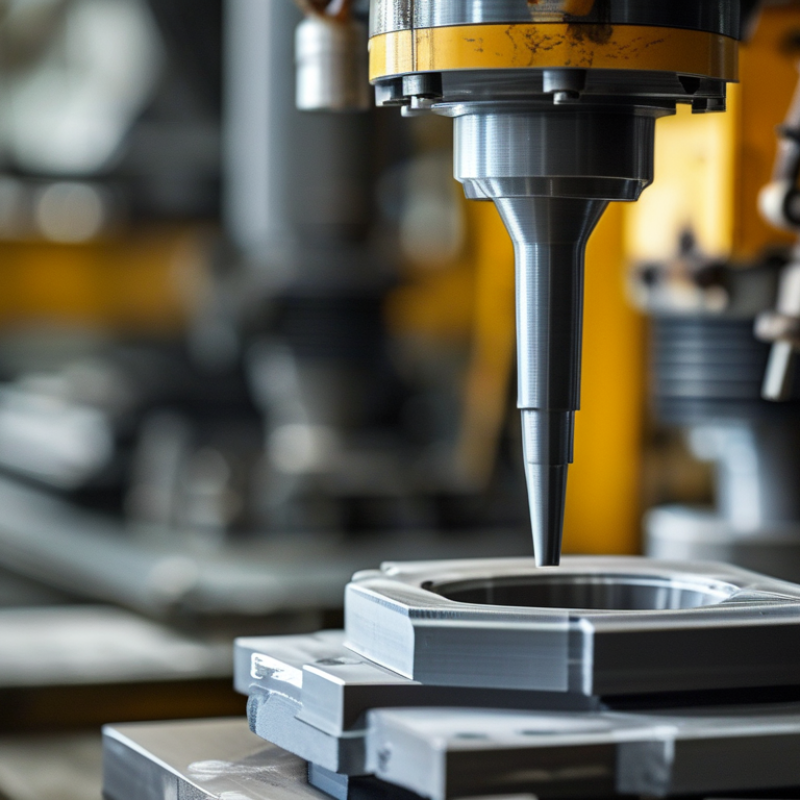
The Importance of Injection Mold Design in Manufacturing Success
Injection mold design is a pivotal element in the manufacturing process. It directly affects product quality, production efficiency, and overall costs. A well-thought-out mold design can lead to reduced cycle times and improved part accuracy. Conversely, poor design can result in defects and increased material waste. This mismatch can hinder production and negatively impact your bottom line.
Incorporating the latest design techniques and technology can elevate your injection molding projects. Experienced engineers employ computer-aided design (CAD) to visualize components accurately. They simulate the injection process to anticipate issues before production starts. Attention to detail in cooling channels and gate placement is crucial. These factors significantly influence the final product and manufacturing efficiency.
However, many companies underestimate the complexities of mold design. Common oversights include ignoring potential shrinkage or thermal expansion. A single flaw can compromise the final product. Continuous learning and adaptation are vital here. Manufacturers must remain open to refining their processes and designs to achieve success.
Understanding the Components of Effective Injection Mold Design
Effective injection mold design is vital for successful manufacturing. It impacts production efficiency, cost, and product quality. Understanding the fundamental components of injection mold design can help manufacturers achieve better outcomes.
One key aspect is material selection. The choice of material affects durability and cost. It's crucial to consider the end-use of the product. For example, a component requiring high strength should not use a brittle material. This oversight can lead to product failures and increased waste.
Another important factor is mold geometry. The design must allow for easy flow of the material and minimize defects such as air traps. If the mold's shape is too complex, it can lead to longer cycle times and increased costs. Maintaining simplicity can be beneficial, even if it means compromising on some intricate features.
Here’s a thought: reflect on the balance between complexity and functionality. Sometimes, simplifying mold designs can lead to better production rates. Consider ways to innovate within practical limits. Constantly evaluate your molds against production expectations and product requirements. This reflective practice can aid in your manufacturing journey.
Injection Mold Design Factors Impacting Manufacturing Success
Understanding the factors involved in injection mold design is crucial for enhancing manufacturing success. This chart illustrates the impact level of various components in effective injection mold design, highlighting their importance in achieving optimal production outcomes.
Key Considerations for Designing Injection Molds
Designing injection molds is a fundamental step in the manufacturing process. Several key considerations play a critical role in mold design. First, understanding material properties is essential. Each material behaves differently under heat and pressure. This knowledge directly affects mold construction, cooling efficiency, and cycle time. Properly assessing these factors ensures the production of high-quality parts.
Another significant aspect is the mold geometry. Complex shapes may require advanced techniques, which can increase costs and production time. Simpler designs often lead to easier maintenance and reduced likelihood of defects. Every detail in the design must be carefully analyzed. Even minor flaws can result in major setbacks.
Cooling system design is also vital. Inefficient cooling can lead to longer cycle times and inconsistent part quality. Engineers must focus on optimizing the cooling channels. It is a delicate balance between design complexity and efficiency. The goal is to achieve a steady flow of coolant throughout the mold. These considerations highlight the need for reflective practices in design. Continuous evaluation of past projects can reveal improvement areas.
Why Is Injection Mold Design Crucial for Your Manufacturing Success? - Key Considerations for Designing Injection Molds
| Dimension |
Importance |
Considerations |
| Material Selection |
Determines part quality and cost. |
Understand the properties and costs of different materials. |
| Mold Design Complexity |
Affects production efficiency and cycle time. |
Evaluate the intricacy of part features and assembly processes. |
| Cooling System Design |
Crucial for cycle time and part quality. |
Optimize cooling channels for uniform temperature distribution. |
| Ejector System |
Influences part removal and surface finish. |
Design for ease of ejection without damaging parts. |
| Mold Maintenance |
Impacts long-term cost and efficiency. |
Incorporate features that allow for easy cleaning and repairs. |
The Impact of Quality Mold Design on Production Efficiency
Quality mold design significantly influences production efficiency in manufacturing. According to industry reports, an optimized mold can reduce cycle times by up to 25%. This efficiency leads to cost savings and improved output. Poor design, however, can cause delays and increased waste. Approximately 30% of manufacturing issues arise from mold-related problems.
Properly engineered molds ensure uniformity in product quality. Statistics reveal that well-designed molds can decrease defect rates by 40%. This reliability is crucial for maintaining a competitive edge. When defects occur, rework and scrap can consume 20% of the production budget.
Investing in skilled mold designers is essential. Their expertise in material properties and machine options allows for the creation of molds that stand the test of time. Neglecting this aspect can result in frequent repairs and replacements, ultimately harming overall productivity. The mold design process should be a critical focus for every manufacturer aiming for long-term success.
Common Pitfalls in Injection Mold Design and How to Avoid Them
Proper injection mold design is key to successful manufacturing. Many manufacturers overlook common pitfalls, which can lead to delays and increased costs. According to a study by the Society of Plastics Engineers, effective design can cut production costs by up to 30%. One prevalent issue is inadequate cooling systems. Insufficient cooling can create uneven temperatures, leading to warping or defects in the final product.
Ensuring efficient flow of material is equally crucial. Poor flow can cause incomplete fills or short shots. It's important to analyze gate locations and runner systems. Take the time to simulate material flow using software tools. This will reveal potential issues before production begins.
Designing for manufacturability is another area often underestimated. Complex geometries may look appealing but can complicate the molding process. Manufacturers should focus on simplicity. A simpler design is often more cost-effective and less prone to errors. Regularly reviewing designs with a focus on practical manufacturing insights can save time and resources. Engaging experienced mold designers can lead to more reliable outcomes.