2026 How to Optimize Plastic Manufacturing for Sustainability and Efficiency?
In recent years, plastic manufacturing has faced mounting pressure to enhance sustainability practices. According to a report by the International Energy Agency, the sector accounts for nearly 3% of global CO2 emissions. This staggering statistic highlights the urgent need for revolutionizing processes in plastic production. Efficient techniques can reduce waste and energy consumption, ultimately benefiting both the environment and profitability.
Innovation in materials and processes is crucial. A recent study from the Ellen MacArthur Foundation reveals that shifting towards a circular economy could generate $4.5 trillion in economic benefits by 2030. However, many manufacturers still grapple with traditional practices that can hinder progress. Embracing advanced technologies can aid in minimizing ecological footprints. Yet, not all strategies are foolproof; some methods may require significant upfront investments with uncertain returns.
There remains a gap between awareness and action in the industry. Industry leaders are encouraged to reflect on their operations and identify areas for improvement. Research indicates that companies prioritizing sustainability see increased consumer trust, yet many are slow to adapt. Optimizing plastic manufacturing for sustainability and efficiency is not just an option; it’s a necessity for long-term viability.
Current Challenges in Plastic Manufacturing Sustainability
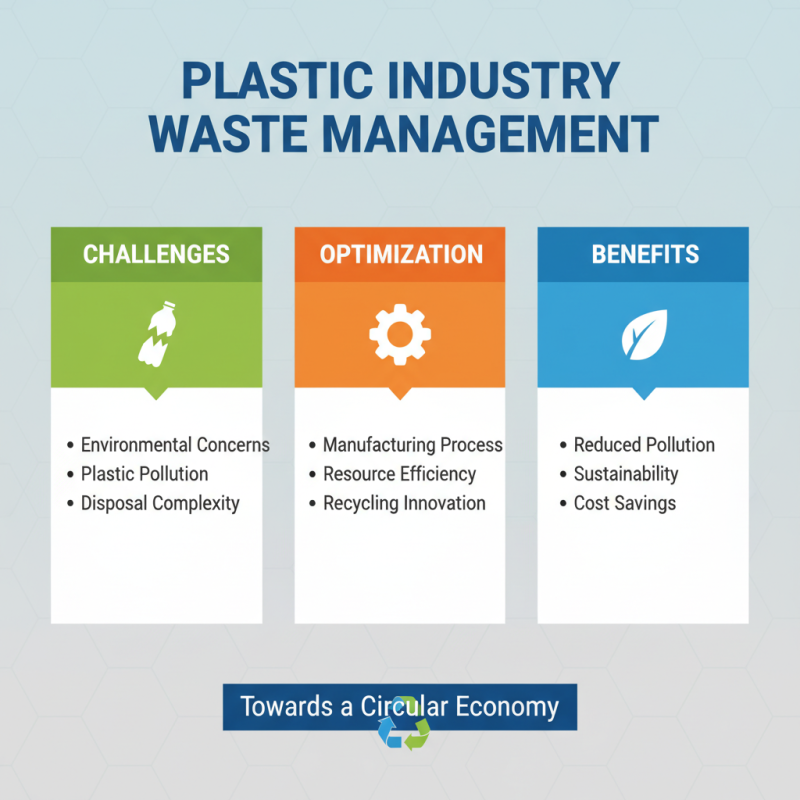
Plastic manufacturing faces significant sustainability challenges. One key issue is waste. Millions of tons of plastic waste end up in landfills every year. Efforts to recycle often fall short due to contamination and lack of infrastructure. Many facilities struggle with separating materials, leading to lost resources.
Energy consumption is another concern. Traditional plastic production is energy-intensive. Companies are under pressure to reduce their carbon footprint. However, transitioning to greener technologies can be costly and complex. The industry is still developing alternative materials that can perform as well as conventional plastics.
Additionally, regulatory pressures are increasing. Governments worldwide are implementing stricter regulations on plastic use and waste management. This creates uncertainty for manufacturers. Adapting to new rules often requires significant investment and time. Companies need to find a balance between compliance and operational efficiency. Addressing these challenges is essential for a more sustainable future in plastic manufacturing.
Innovative Materials for Reducing Environmental Impact
The push for sustainable plastic manufacturing has never been more pressing. Innovative materials offer exciting solutions to reduce environmental impact. Bio-based plastics, derived from renewable resources, are emerging as viable alternatives. These materials can significantly lower carbon footprints and reliance on fossil fuels.
However, the transition to these materials is not without challenges. They often require new manufacturing processes that may not be compatible with existing systems. There's a real risk of increased costs, which could deter adoption. Moreover, although bio-based options reduce some environmental impacts, their production can still generate waste and emissions.
Recycling remains a crucial component in optimizing sustainability. Advanced recycling technologies can convert plastics back into valuable materials. This process reduces landfill waste and can complement innovative material development. Manufacturers must also consider end-of-life scenarios for new materials. Tracking lifecycle impacts will be essential to ensure true sustainability. Balancing innovation and practicality is a complex task, but necessary for a greener future.
2026 Plastic Manufacturing Sustainability and Efficiency Optimization
This bar chart presents key sustainability metrics in plastic manufacturing as of 2026. The data illustrates the focus on recycled content, energy efficiency, waste reduction, water conservation, and the use of sustainable materials. These metrics are essential for assessing the industry's progress towards minimizing its environmental impact.
Energy Efficiency Strategies in Plastic Production Processes
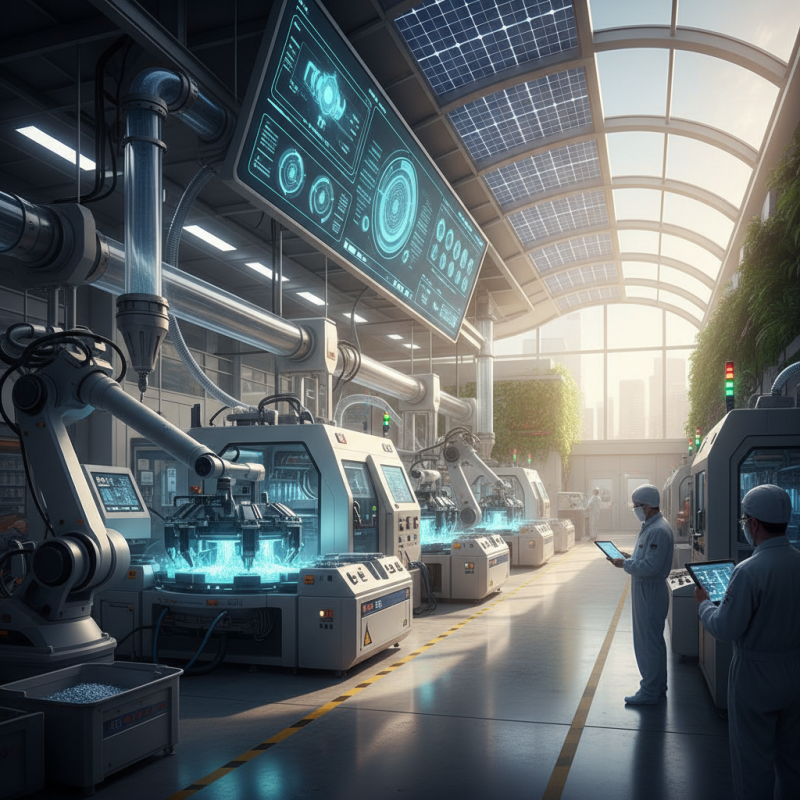
Energy efficiency is crucial in plastic manufacturing. Factories often consume excessive energy, leading to higher costs and environmental concerns. To combat this, companies can implement strategies that focus on reducing energy consumption without sacrificing productivity.
One effective method is to optimize machinery. Proper maintenance can significantly enhance energy efficiency. Regular inspections ensure that equipment runs at peak performance. Operators should be trained on best practices to minimize energy waste during production. Small changes, like reducing idle times, can make a big difference.
Another approach is to incorporate renewable energy sources. Solar panels and wind turbines can power manufacturing sites. This transition not only lowers energy costs but also aligns with sustainability goals. While the initial investment can be challenging, many companies find long-term savings. Reduced reliance on fossil fuels is beneficial for both the business and the planet. Finding the right balance between innovation and cost is essential for lasting improvements.
Waste Management Practices in the Plastic Industry
The plastic industry faces significant challenges in waste management. With growing environmental concerns, optimizing plastic manufacturing is paramount. Effective waste management practices can reduce pollution and enhance sustainability.
One key practice is the implementation of recycling processes. Instead of discarding plastic waste, manufacturers can transform it into new products. This not only decreases landfill contributions but also conserves resources. However, recycling efficiency varies widely. Many plastics are still not recyclable, leading to excess waste.
Tips: Consider investing in advanced sorting technology. This improves the quality of recycled materials. Ensure all staff understand the importance of separation protocols. Training gives employees a clearer understanding of waste management.
Another practice is adopting a circular economy approach. This model reuses materials and minimizes waste. By designing products with recycling in mind, companies can create a sustainable cycle. However, the transition can be challenging. It requires collaboration across supply chains and may demand innovative design strategies.
Tips: Regularly assess your waste footprint. Identify areas for improvement and set realistic goals. Engage with local communities for better disposal solutions. Managing waste effectively fosters a culture of sustainability.
Implementing Circular Economy Principles in Plastic Manufacturing
The plastic manufacturing industry faces mounting pressure to adopt
circular economy principles. Reports indicate that about
300 million tons of plastic are produced globally each year. Unfortunately, much of this
ends up in landfills or oceans. Shifting towards sustainable manufacturing practices can significantly reduce this
environmental impact.
Implementing circular economy principles means rethinking the entire lifecycle of plastic products. Companies can focus on
designing products for recyclability. Research shows that recycling plastic can save up to
60% of the energy required to produce new plastic. However, a mere
9% of plastic is currently recycled effectively.
Manufacturers must also consider their supply chains. Sourcing renewable
and bio-based materials is crucial. A recent study estimates that
utilizing bio-based plastics could reduce greenhouse gas emissions by 30% compared
to traditional plastics. Yet, the transition is complex. Many manufacturers struggle with capacity and technology to
support this shift. Addressing these challenges is vital for achieving real sustainability
in plastic manufacturing.