What is Precision Injection Molding and How Does it Work?
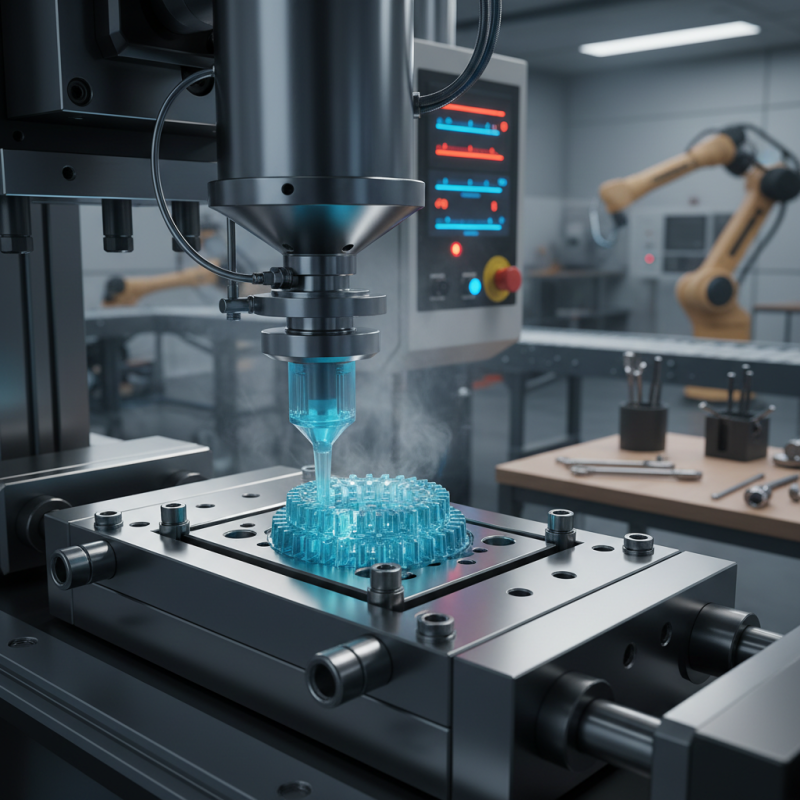
Precision injection molding is an advanced manufacturing technique. It enables highly accurate production of complex plastic parts. This method uses precise temperature control and sophisticated machinery to achieve meticulous details.
The process involves injecting molten plastic into a mold under high pressure. It is vital in industries such as automotive, aerospace, and consumer goods. Precision injection molding allows for consistent quality and repeatability. However, achieving the perfect mold can be challenging. Minor errors during the setup can lead to defects.
Factors like material selection and mold design play crucial roles. Understanding these elements ensures reliability in production. While precision injection molding is efficient, it's not without its imperfections. Continuous improvement is essential. In this dynamic field, learning from mistakes drives progress.
What is Precision Injection Molding?
Precision injection molding is a manufacturing process that produces highly detailed plastic parts. This technique involves injecting molten plastic into precise molds. The molds are designed based on detailed specifications, ensuring that the final product meets exact dimensions and tolerances.
The technology behind precision injection molding is evolving. It uses advanced machinery and techniques to achieve high repeatability. Factors like temperature control and injection speed are critical. These elements help reduce defects and improve component accuracy. However, achieving perfection can be challenging. Even minor variations in material or environmental conditions can lead to inconsistencies.
In many cases, manufacturers need to make adjustments during production. Monitoring closely becomes essential. Errors can arise, requiring design reviews or mold adjustments. This ongoing process highlights the need for proper training and expertise. Skilled technicians are crucial for maintaining quality standards. Embracing a culture of continuous improvement can also lead to better outcomes. Precision injection molding is not just about technology; it requires a human touch.
What is Precision Injection Molding?
| Aspect |
Description |
| Definition |
A manufacturing process for producing parts by injecting molten material into a mold. |
| Materials Used |
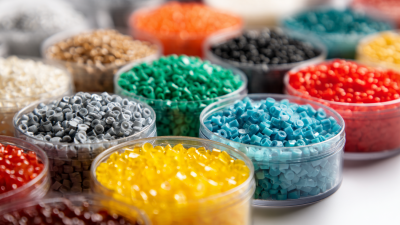
Commonly used materials include thermoplastics, thermosetting plastics, and elastomers. |
| Key Advantages |
High precision, reduced waste, fast production rates, and the ability to create complex geometries. |
| Applications |
Used in automotive, electronics, consumer goods, medical devices, and packaging industries. |
| Process Steps |
Material feeding, heating, injection, cooling, and ejection of the final product. |
| Precision Control |
Utilizes advanced technology and automated systems to control temperature, pressure, and timing. |
Key Components of Precision Injection Molding Machines
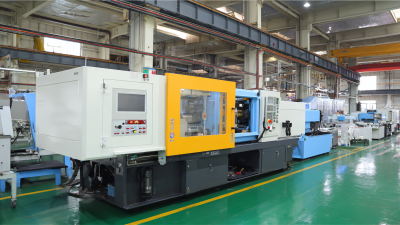
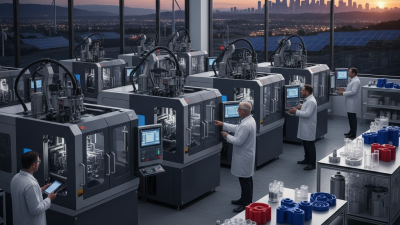
Precision injection molding is a sophisticated manufacturing process that requires several key components to function effectively. One of the most critical parts is the injection unit. This unit melts the raw plastic and injects it into the mold. Precision here is vital. A slight variation in temperature can lead to defects. Therefore, controlling the melt flow is essential for achieving the desired part quality.
The clamping unit is another essential component. It holds the mold halves together during injection. Even small movements can cause misalignment and affect product integrity. It’s crucial to maintain precise pressure to ensure a successful molding cycle. This unit's capability must match the demands of the injection process.
Finally, the control system ties everything together. It monitors the entire process, adjusting parameters in real time. Accuracy in this monitoring can be the difference between success and failure. Workers often need to reflect on these systems and processes to maximize efficiency. Each element plays its part, and a failure in one can compromise the whole operation.
Precision Injection Molding Machine Components
The Injection Molding Process Explained Step by Step
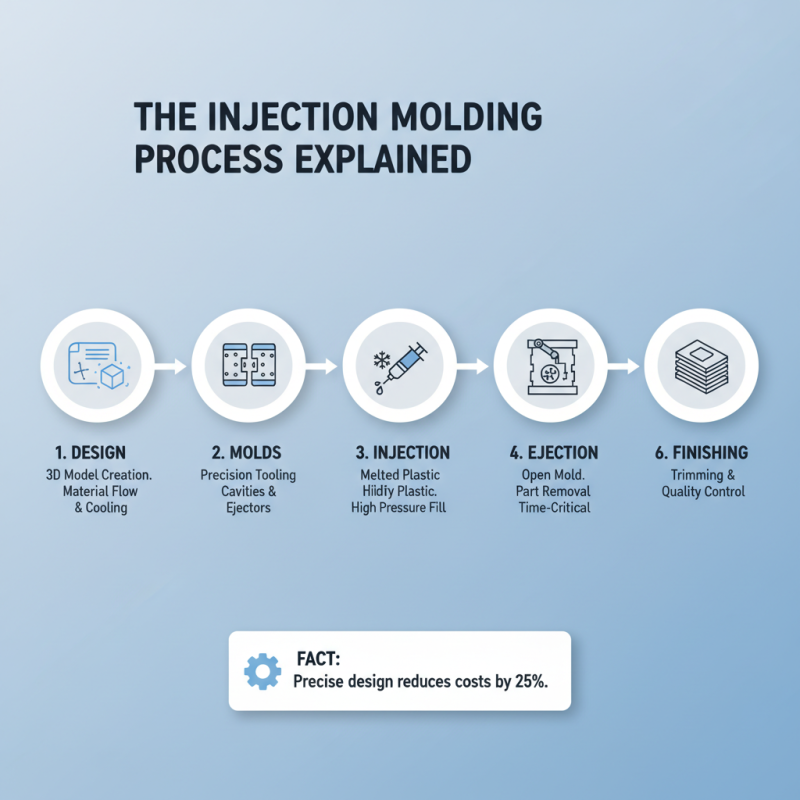
The injection molding process is a critical technology in manufacturing plastic components. It involves several key steps, each with its own significance. The first step is the design phase, where engineers create a 3D model of the part. This model must consider various factors, such as material flow and cooling times. In fact, precise calculations can reduce production costs by up to 25%, according to industry reports.
Following design, the raw plastic granules are heated until they melt. This melting phase can reach temperatures of around 200 to 300 degrees Celsius. The molten plastic is then injected into a mold under high pressure. It's essential that this process is carefully controlled; even minor variations in temperature can affect product quality. Industry data shows a defect rate of around 5% in poorly managed processes.
After the plastic cools and solidifies, the mold opens to release the finished part. This final step requires careful timing to ensure that the piece is neither too hot nor too cold. If a problem occurs here, it may necessitate additional adjustments, which delays production. It’s evident that precision and attention to detail are vital in injection molding, impacting both efficiency and product integrity.
Benefits of Precision Injection Molding for Manufacturing
Precision injection molding is a highly specialized manufacturing process. It allows for the creation of intricate parts with exact dimensions. This method is particularly beneficial in industries that require high precision, such as aerospace and medical devices.
One key advantage is its ability to produce complex geometries that traditional methods cannot achieve. This precision can improve product performance significantly.
Another benefit lies in material efficiency. Precision injection molding minimizes waste, ensuring that more of the raw material is utilized. This not only lowers production costs but also enhances sustainability efforts. Moreover, the process allows for rapid production cycles. This means companies can respond quickly to market demands without compromising quality.
However, achieving precision requires careful planning and execution. The initial setup can be costly and time-consuming. Manufacturers need to invest in high-quality machinery and skilled labor. Mistakes in the design phase can lead to costly reworks later on. Continuous monitoring and adjustments during the process are essential. Emphasizing these points can foster a culture of continuous improvement in precision injection molding practices.
Applications of Precision Injection Molding in Various Industries
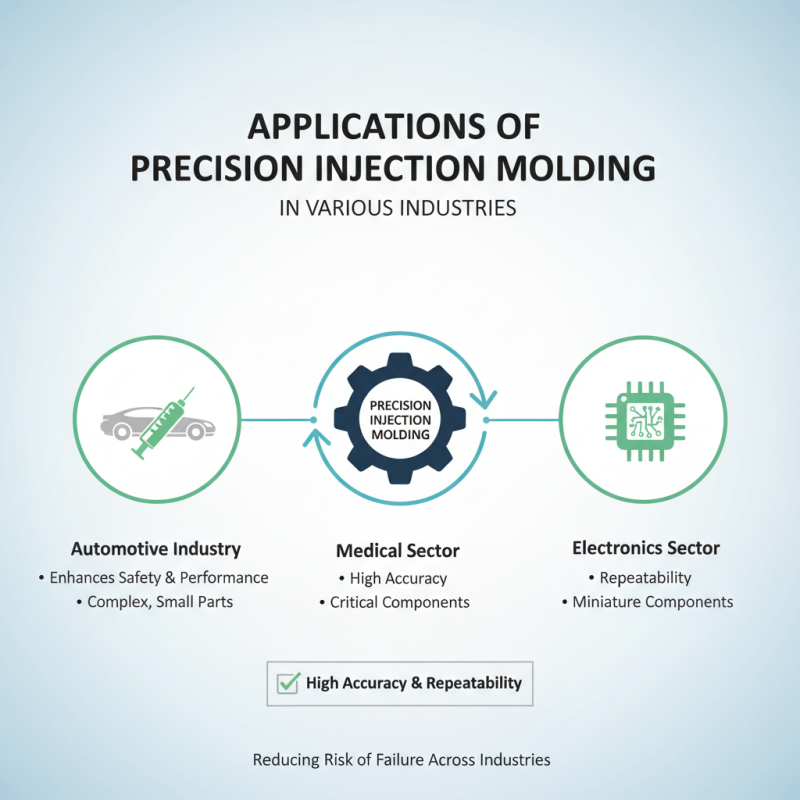
Precision injection molding plays a vital role across various industries. This technique offers high accuracy and repeatability, making it ideal for producing complex parts. Automotive, medical, and electronics sectors benefit greatly from this technology. In the automotive industry, precision molded components enhance safety and performance. Small, intricate parts can be manufactured to exact specifications, reducing the risk of failure.
In the medical field, precision injection molding produces medical devices with tight tolerances. This accuracy ensures patient safety and device reliability. Components for surgical instruments, drug delivery systems, and diagnostic equipment require meticulous design and execution. Moreover, in the electronics sector, housings and connectors must fit together flawlessly. Precision molding allows for tight integration of multiple components without sacrificing quality.
Tip: Always consider the mold design. A well-designed mold can reduce production errors and improve efficiency. An efficient cooling system within the mold is also crucial. Temperature control ensures uniformity and reduces cycle times. Reflect on current practices to optimize both the process and the output quality.