10 Best Injection Molded Parts Suppliers for Global Buyers?
Global buyers need more than a supplier list when sourcing injection molded parts. They need evidence, process control, and predictable communication. The global plastics industry produced approximately 413.8 million tonnes in 2023, according to Plastics Europe’s Plastics—The Fast Facts 2024 report. That scale highlights both opportunity and complexity. Thousands of manufacturers compete across automotive, medical, electronics, packaging, and consumer products. Yet production volume alone does not prove capability.
This guide examines 10 injection molded parts suppliers serving international customers. It considers tooling experience, material knowledge, molding capacity, inspection systems, certifications, export support, and responsiveness. Grand View Research identifies automotive, packaging, and electronics as major drivers of injection molded plastics demand. Those sectors also demand tighter tolerances, stable resin control, and traceable quality records. A supplier’s factory photos are useful. Audited process evidence matters more.
No ranking is perfect. Supplier performance can change after a leadership shift, equipment upgrade, or sudden capacity shortage. That is why buyers should verify current certifications, sample parts, mold-maintenance practices, and production references before signing a contract. A low quote can mislead. Mold steel, cooling design, secondary operations, and freight costs may remain hidden. For medical or safety-related components, independent quality verification deserves special attention. The selected companies are therefore presented as practical candidates, not guaranteed choices. Their suitability depends on part geometry, annual volume, resin requirements, destination market, and acceptable risk. Careful comparison turns a supplier search into a controlled sourcing decision.
What Are Injection Molded Parts Suppliers?
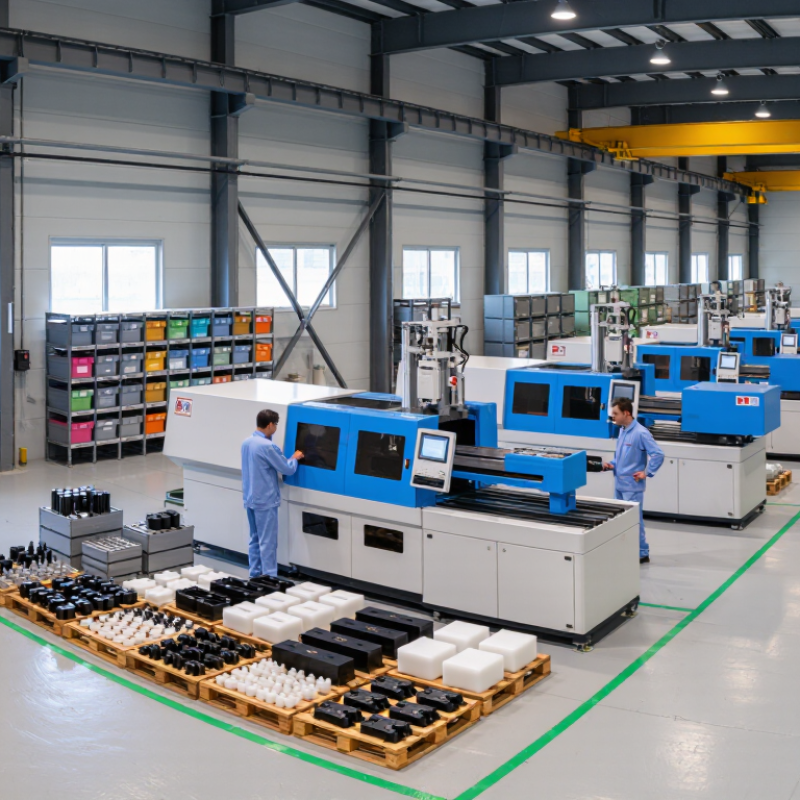
Injection molded parts suppliers are companies that design, build, and operate plastic injection molding systems for industrial buyers. They convert resin pellets into repeatable components using heated barrels, metal molds, pressure, and controlled cooling. Typical products include housings, clips, medical device components, automotive fittings, and electronic enclosures.
A capable supplier usually supports the entire production path. This may include part design feedback, mold flow analysis, tooling, material selection, molding, trimming, inspection, and packaging. During a factory review, buyers should ask about machine tonnage, cavity count, resin traceability, dimensional inspection, and production records. A sample part may look excellent, yet hidden warping can appear after several weeks. Small details matter.
Reliable suppliers also explain tolerances clearly instead of promising everything. They should provide material data sheets, quality-control procedures, and realistic lead times. For global buyers, export packaging, customs documents, communication speed, and after-sales support deserve equal attention. A supplier with advanced equipment is not automatically dependable. Poor mold maintenance can still create flash around a thin edge. No supplier is perfect. That is worth remembering. Buyers may also need to revise drawings after testing, especially when shrinkage or assembly stress appears. Clear change-control procedures reduce confusion and protect both production schedules and product performance.
How to Evaluate Injection Molding Suppliers
How to Evaluate Injection Molding Suppliers
Choosing among the 10 best injection molded parts suppliers requires more than comparing unit prices. Request a documented design-for-manufacturing review before requesting quotations. An experienced supplier should identify thin walls, sharp corners, uneven cooling, and difficult ejection points. Ask for mold-flow analysis, tolerance recommendations, and sample inspection records. These details reveal practical experience better than polished sales presentations.
The 2023 ISO Survey recorded more than 1.2 million ISO 9001 certificates worldwide. Certification shows a quality system, not guaranteed part quality. Verify how the supplier controls resin batches, mold maintenance, process changes, and nonconforming parts. Review actual capability data, including Cpk results for critical dimensions. Also check whether inspection equipment is calibrated and traceable. A supplier that cannot explain measurement methods may create expensive uncertainty.
Tips: Request five recent inspection reports and one corrective-action example. Compare quoted cycle time with the proposed machine size, material, and annual volume. Confirm tool ownership, spare-part plans, and production capacity in writing. A factory tour can expose simple weaknesses, such as oil-stained floors or poorly labeled material bins. Still, one visit is not enough evidence. My own assessment would remain provisional until pilot parts survive dimensional, assembly, and functional testing. A low quote can be reasonable, but unexplained assumptions deserve careful questions.
10 Best Injection Molded Parts Suppliers for Global Buyers? - How to Evaluate Injection Molding Suppliers
Illustrative buyer-priority weighting for comparing injection molding suppliers worldwide
Global buyers commonly assess suppliers across quality, production capability, delivery performance, tooling expertise, cost, compliance, and communication. The percentages represent an illustrative evaluation framework rather than rankings of specific companies or brands.
Key Capabilities of Leading Global Suppliers
Leading injection molded parts suppliers support global buyers through more than competitive pricing. Their capabilities include mold design, material selection, precision molding, secondary finishing, and quality inspection. Strong suppliers can process engineering plastics, elastomers, and reinforced resins for automotive, medical, electronics, and industrial applications. They also provide design-for-manufacturing feedback before tooling begins. This can prevent thin walls, weak ribs, sink marks, and difficult ejection.
Reliable suppliers use controlled production systems. Look for documented inspection plans, traceable material records, calibrated measuring equipment, and first-article approval procedures. Automated molding cells can improve repeatability, while skilled technicians still matter during mold trials. International logistics experience is equally important. A capable partner should manage export packaging, production schedules, shipping documents, and communication across time zones. Certifications may support credibility, but they should not replace factory audits or sample evaluation. No supplier is perfect. Even experienced teams may underestimate tooling maintenance or underestimate packaging risks.
Tips: Request sample parts, tolerance data, mold-flow feedback, and a clear timeline before ordering. Ask how defects are recorded and corrected. Compare total cost, not only the unit price. A low quote can hide slower tooling, inconsistent materials, or expensive revisions. Clear drawings help, but practical discussions often reveal details drawings miss.
10 Best Injection Molded Parts Suppliers for Global Buyers
10 Best Injection Molded Parts Suppliers for Global Buyers
Global buyers need more than a low quotation. Supplier capability affects tooling life, part consistency, and delivery risk. Grand View Research estimated the global injection molded plastics market at about
USD 396.8 billion in 2023. It also expects steady growth through
2030. This demand is increasing pressure on suppliers to provide faster sampling and tighter process control.
A reliable supplier should show documented quality procedures, material traceability, and recent inspection records. Ask for mold-flow analysis, dimensional reports, and sample parts from similar projects.
Production capacity matters, but communication matters too. A supplier that replies slowly may create expensive delays during mold changes.
MarketsandMarkets reported continued growth in the injection molding machine market, driven by automation and efficient production. However, modern equipment cannot repair weak project management.
Tips:
Request a small pilot batch before full production. Check warpage around thin walls, sink marks near ribs, and flash along the parting line. Confirm resin certificates and tolerance limits in writing. Do not judge quality from polished photos.
I have seen attractive samples hide unstable molding conditions. A lower price can become costly after repeated rework. Also review packaging, export documents, and contingency plans before approving the supplier.
Supplier scoring should include quality, tooling, communication, capacity, and total landed cost.
One missing category can distort the decision.